Encounter with the Mothers of Water
The story underneath it all! Since 2011, I’ve been welcoming women to Brazil for Encounter with the Mothers of Water, an immersive journey of embodiment,

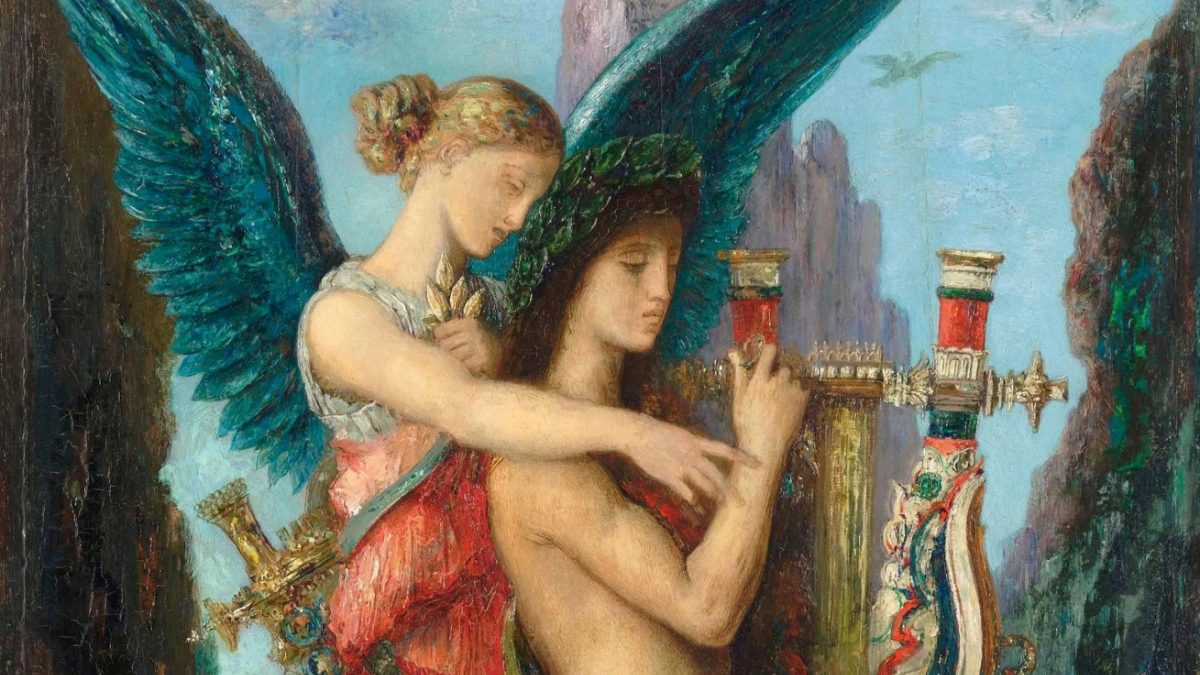
Beneath the surface of our lives lie deep oceans of story, myth, and legend, moved by currents often beyond our conscious awareness. Across cultures and throughout time, human beings have turned to myth as a way of understanding these currents and finding their place within the greater story of existence.
Joseph Campbell called this enduring pattern the “monomyth” or Hero’s Journey: the call to adventure, the crossing of the threshold, the meeting of allies and adversaries, the ordeal, the reward, and the return. Variations of this journey appear in nearly every culture because they reflect something fundamental about the human experience. We recognize ourselves within them. When the soul is ready for transformation, a myth often arrives as companion, guide, or mirror.
Ancient cultures understood this intimately. Myth was not merely recounted; it was lived. Seasonal festivals, ceremonies, pilgrimages, and sacred dramas invited people into direct participation with the great stories that shaped their communities and their understanding of life itself.
These experiences offered something far deeper than entertainment. They created moments of profound connection to what I think of as the world-soul: the vast reservoir of human memory, meaning, and imagination from which all stories arise. In those moments, we remember that our struggles are not ours alone. Others have crossed thresholds, endured losses, descended into darkness, and returned transformed. The stories remind us that we belong to a resilient lineage of becoming.
This recognition is deeply healing.
Myth offers a place where individual experience meets collective wisdom. We bring our own story into conversation with the great story and discover that they are not separate. Something within us recognizes the terrain. Our souls often understand truths long before our minds can articulate them, and myth provides a symbolic language through which those truths can emerge into awareness.
Far beyond stories preserved in books, primal myths remain living laboratories for the evolution of human consciousness. Carl Jung described our attraction to these stories as participation mystique, a mysterious bond between psyche and symbol. We are drawn toward certain myths because they carry something we need. As we engage them, they begin to engage us in return.
We enter these stories as participants and co-authors and the myth evolves through our encounter with it. We bring our questions, wounds, longings, revelations, and hard-earned wisdom into the field of the story, and in doing so, contribute our own chapter to an ancient and ongoing conversation.
In these modern times of overwhelm and disconnection from Source, our relationship with this deeper reservoir of meaning may be more important than ever. Myth offers a pathway back to perspective, belonging, and wonder. It helps us integrate change, find meaning within challenge, and remember dimensions of ourselves that daily life often obscures.
For nearly thirty years, I have been fascinated by what I call the mytho-somatic possibility: what happens when we move beyond understanding a story and begin to inhabit it.
A mytho-somatic experience begins by creating sacred time and space where we approach the myth as a living testament to the transformational journeys shared by all human beings. Through reflection, soul-journaling, dialogue, and circle practice, participants discover where the story intersects with their own lives. What is seeking expression, release, healing, integration, or evolution is invited forward into awareness.
The body then becomes an instrument of participation.
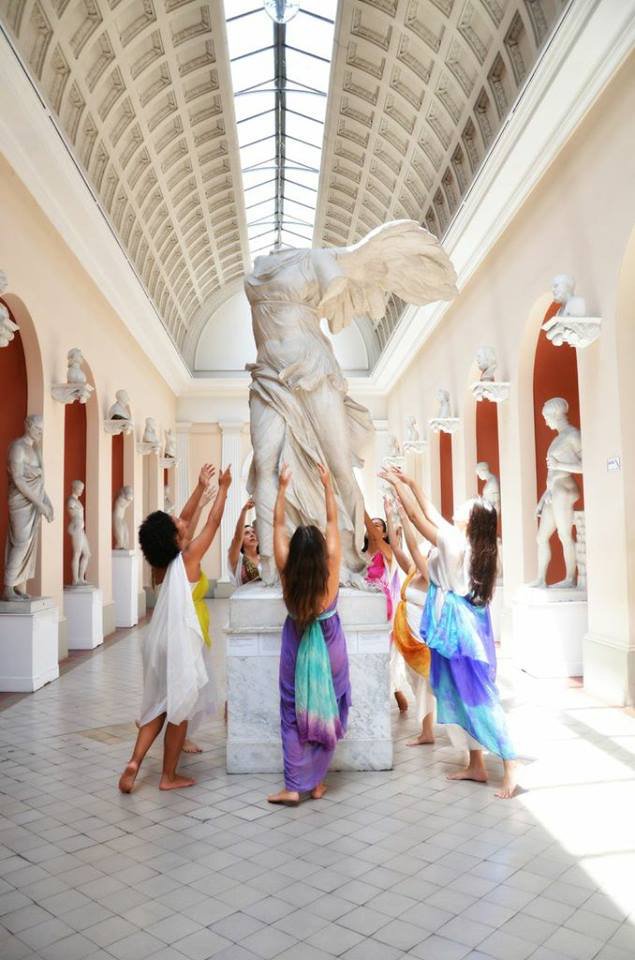
Through breath, movement, imagination, posture, gesture, rhythm, and symbolic enactment, participants enter the living landscape of the myth itself. During the Grand Enactment, music-led movement, archetypal gestures, spoken declarations, and ceremonial witnessing allow the transformational arc of the story to become embodied experience. Ancient themes of descent and return, surrender and courage, loss and renewal unfold not as ideas, but as lived realities.
The great Isadora Duncan understood something of this process. Inspired by the movement of waves, the swaying of trees, classical sculpture, ancient temples, and the myths that animated them, she sought direct relationship with the forces that shaped human imagination. She danced stories of tragedy, devotion, resurrection, and grace. Her work reminds us that some truths can only be known through experience.
“If I could say it, I wouldn’t have to dance it.”
The same impulse lives at the heart of mytho-somatic practice.
Through movement, breath, imagination, and ritual participation, we enter a timeless conversation between our own story and the great stories that have guided humanity across the ages. We discover that myth is not something that happened long ago. It is happening now, through us. Every threshold crossed, every surrender accepted, every revelation embodied becomes another expression of the resilient spirit that lives within us all.
Perhaps this is why myth endures; it invites us to discover who we are becoming.
The call to adventure still arrives. The threshold still waits. The descent, the revelation, and the return continue to unfold within human lives as they always have. The stories endure because the journey endures.
And each time we bring our own breath, body, imagination, and experience into conversation with these ancient pathways, we help keep the great story alive. We drink from the well of sacred memory and contribute our own experience to its waters, ensuring that the wisdom of the ages remains not only remembered, but lived.
The story underneath it all! Since 2011, I’ve been welcoming women to Brazil for Encounter with the Mothers of Water, an immersive journey of embodiment,
From childhood enactments to Inanna’s seven gates: a lifetime of exploring what happens when we enter the story with our bodies I have been stepping
This unique Pelvic Ritual Practice leads you to deep release, restoration and re-patterning anchored in your center: the pelvis. Breath-led movement rituals prepare your body
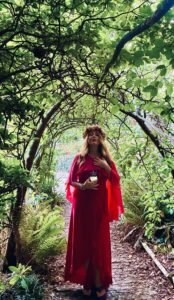
Pilgrimage is a word that hardly captures the transformative power or nuance of an intentional journey to places of Myth, Legend, and Soul. These are
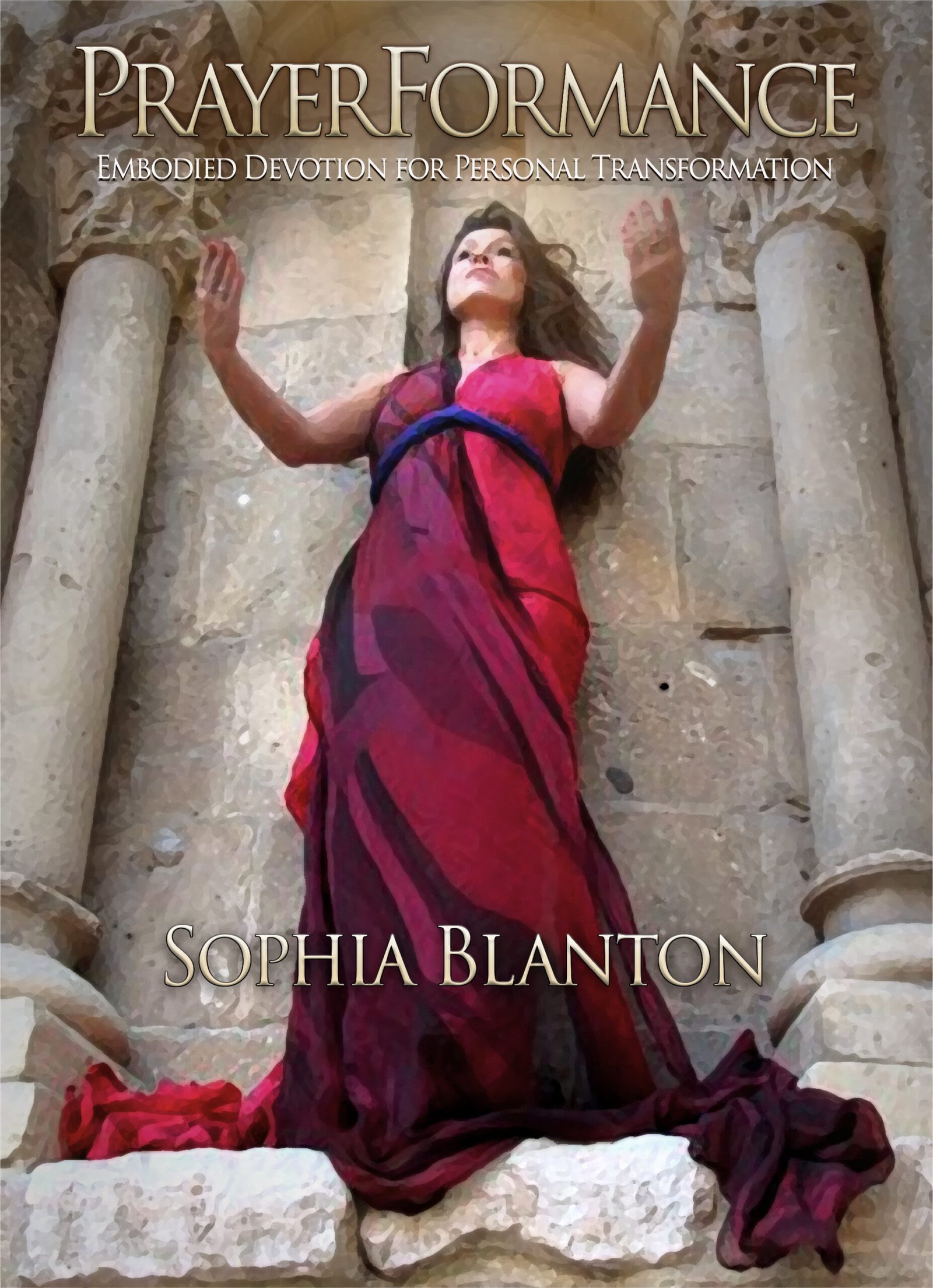
The Prayerformance eBook and Video Course: A Somatic Path to Sacred Embodiment The Prayerformance eBook and course is a richly textured guide to awakening the sacred intelligence of the body. Rooted in over two decades of dance, ritual, and somatic exploration, this book offers a four-part process—Attunement, Connection, Transmission, and Transformation—that bridges ancient wisdom with modern somatic experience. Through evocative language, guided rituals, and grounded insights, The Prayerformance eBook invites you to explore the body not just as a vessel, but as a living altar—where movement becomes prayer, and performance becomes communion. Whether you're a dancer, a healer, or simply seeking to embody your spiritual practice more deeply, this eBook offers tools for creative regulation, emotional clarity, and embodied connection with the divine.